
Give Us Your Town
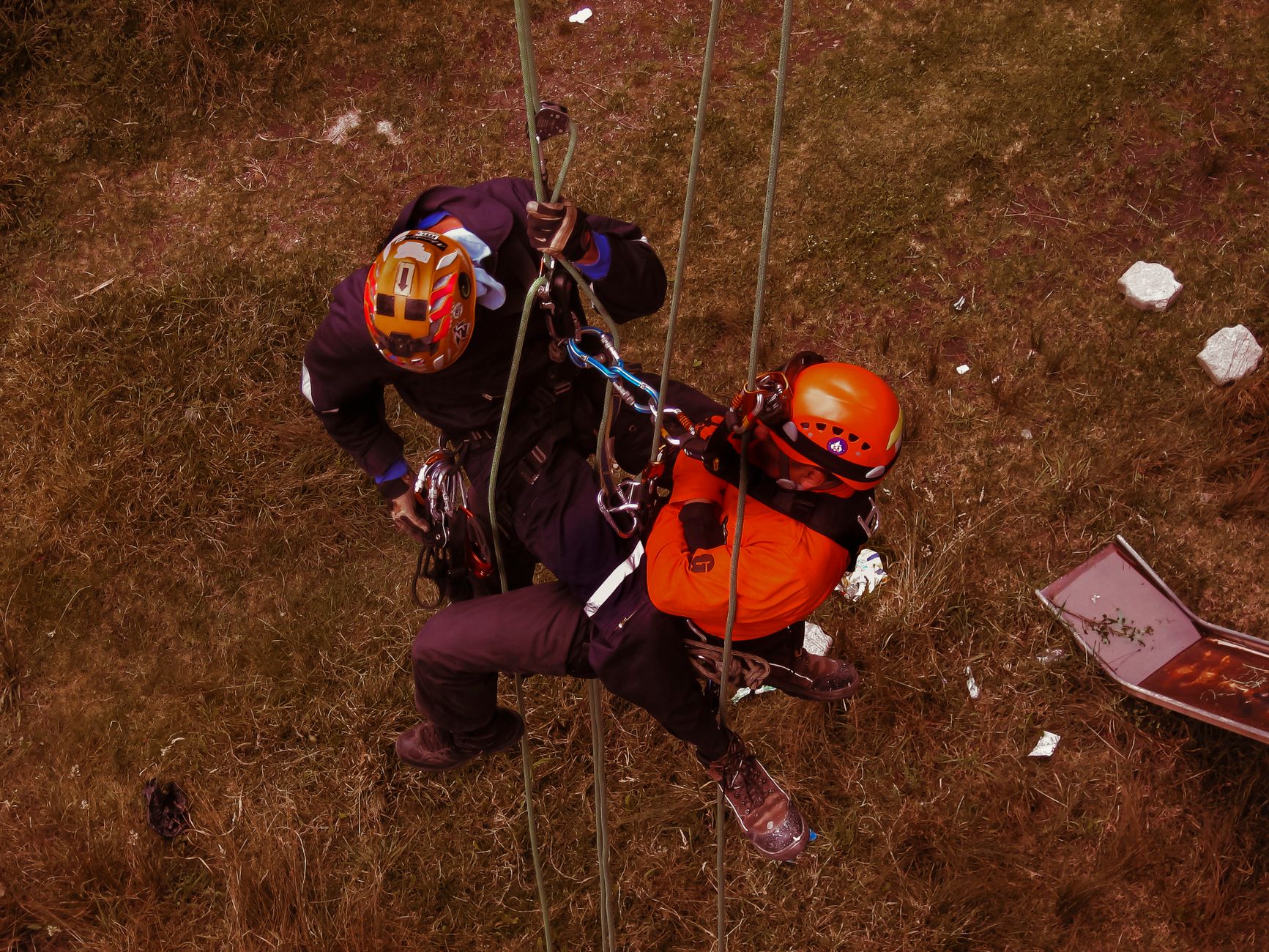
Send your name, number and town, plus a line about what you see. We call back and set a day to climb up.
What Changes From One Town to the Next
Lomita is home, so a call from here gets the shortest drive. Torrance wraps around it, Rolling Hills Estates and Rancho Palos Verdes sit up the hill, Gardena is a few minutes north, and Long Beach is across the harbor.
The work is the same everywhere: roof first, brushes by hand, then repairs by the people who looked. What we find on the roof is not. Near the beach it is rusted caps and chase tops. On the hill it is wind-packed arrestor screens and cracks from moving ground. Inland it is split crowns and soft mortar on older tract chimneys. Each town page below says what we tend to see there.
our home town, a small city between Torrance, Harbor City and the foot of the hill
Lomita
Lomita is where Harris works from, so a call here usually means a short drive and a ladder off the truck on the first visit. Plenty of houses along Narbonne Avenue and the side streets off Pacific Coast Highway have a single brick stack that has gone a long while without a brush. We sweep it by hand, then climb up and look at the crown and cap before anyone talks about repairs.
the big city on Lomita's north and west sides
Torrance
Torrance wraps around Lomita on two sides, so it gets more of our ladder time than anywhere but home. Tract houses from the 1950s and 1960s often have a brick chimney with white chalky streaks on the face. That is water moving through the brick, and we trace it on the roof to a split crown or an open joint before we mix any mortar.
the peninsula above the ocean, up the hill from Lomita
Rancho Palos Verdes
Rancho Palos Verdes is a short drive up the hill from Lomita, and we climb plenty of roofs on the peninsula. Tile roofs and steep lots mean we plan the ladder before we arrive. Around Portuguese Bend and other spots where the ground moves, we look for cracks that cross the brick rather than follow the mortar, and we photograph them from the roof so you see what we see.
horse-country streets on the hill just above Lomita
Rolling Hills Estates
Rolling Hills Estates starts right up the hill from Lomita. Houses here sit on big parcels with long roof runs, and a chimney may not have had anyone on top of it in a long time. We walk the roof, check the cap fasteners and the top of the liner, then sweep from below with rotary brushes so the flue is clean all the way up.
flat neighborhoods north of Torrance, between the 405 and the 110
Gardena
A lot of Gardena fireplaces sat cold for a long time, and owners call when they want to light one again. Before anyone does, we sweep by hand and run a light or a camera up the flue, because clay tiles from that era crack without showing from the hearth. If a tile has cracked, the person who found it is the one who does the relining.
the port city east across the harbor from Lomita
Long Beach
Long Beach has a lot of early 1900s Craftsman and Spanish houses with brick chimneys that have been patched more than once. We start at the top: cap, crown, then the joints, all checked on the roof, and then we brush the flue by hand from below. Whatever needs repointing gets done by the same crew, not handed to someone else.
the Ventura Freeway corridor below Ladyface Mountain
Agoura Hills
Just over half of Agoura Hills went up before 1980, and many newer houses run a metal flue up through a framed chase. That moves our roof check away from brick and toward the cap, the chase top and the flashing.
old streetcar suburb on the San Gabriel Valley floor
Alhambra
About a third of Alhambra predates 1950, and the 1950s houses added plenty of brick or block stacks, many now running gas logs. A flue that stopped seeing wood can still hide a tired crown, so we climb up anyway.
foothill suburb on Lucky Baldwin's old rancho
Arcadia
Arcadia was carved from Lucky Baldwin's rancho, and its big-lot tracts carry brick or block chimneys from the postwar years. Later houses swap those for metal flues in a chase, so we check which one you have before talking about any repair.
small southeast county city named for old artesian wells
Artesia
Single-story ranch tracts make for a short climb in Artesia, and about 3 in 4 homes are older than 1980. Those aging stacks are easy to reach, so a look at the crown takes little time and catches damp before it spreads.
Catalina Island's canyon town, stacked above the bay
Avalon
Half of Avalon was standing before 1950, packed onto narrow lots after the 1887 town plan and through the Wrigley years. A tight canyon lot makes the ladder set the first question, and an old cottage stack gets a slow look before anything moves.
Route 66 foothill town below the San Gabriel Mountains
Azusa
Azusa's oldest streets near Citrus Avenue date back to the 1880s and 1890s, with bungalows that may hold original masonry. Postwar blocks added stacks that often run gas logs now. Age and fuel both change what we look at on the climb.
working suburb on the San Gabriel Valley floor
Baldwin Park
Baldwin Park is mostly single-family houses on modest lots, about 7 in 10 of them older than 1980. A stack that has stood that long needs its crown looked at from above, not guessed at from the yard.
dense older city in the southeast county
Bell
About 4 in 10 Bell homes predate 1950, and roughly 1 household in 4 owns. Landlord or tenant, either can ask what an old stack is doing up there, so we photograph it and explain it plainly.
apartment-lined southeast basin city near Ford Park
Bell Gardens
Close to 3 in 10 Bell Gardens homes are older than 1950, the age when chimneys were laid brick by brick on site. Mortar wears on those, and duplexes along the corridors can share a stack, so it pays to climb.
Bellflower Boulevard suburb shaped by Dutch and Japanese farm families
Bellflower
Rentals are common in Bellflower, and detached houses make up only about half of its homes. Those postwar brick or block chimneys were often later fitted with gas logs, so nobody may have looked at the crown in years.
near-coast city across the Santa Monica Fault line
Beverly Hills
Nearly 4 in 10 homes in Beverly Hills came before 1950, built when chimneys were laid in brick on site. Those stacks show their age first at the top, so we photograph the upper courses and explain what each crack means.
tiny gated foothill city behind private roads
Bradbury
Under 800 people live in Bradbury, nearly all in owner-occupied houses behind private gated roads. No tract set a pattern here, so each chimney stands alone, and we check its type before anything else gets said.
east San Fernando Valley city grown from aviation and film
Burbank
Burbank grew fast on aviation and film work through the 1930s to 1950s, and about a third of it predates 1950. Those laid-brick chimneys wear at the mortar, so we get up close to joints the street never shows.
planned neighborhoods at the Santa Monica Mountains' inland edge
Calabasas
Half of Calabasas went up after the early 1980s, so a metal flue in a framed chase is the usual setup. Tile roofs need careful footing, and the cap and chase top matter more here than any brickwork.
west San Fernando Valley neighborhood beside Warner Center
Canoga Park
This neighborhood began as Owensmouth in 1912, so bungalows from the 1910s and 1920s still sit near postwar stucco ranches. Each has a different kind of stack, and Canoga Park homeowners get a clear read of which they own.
Lomita's neighbor to the northeast, a high-ownership South Bay city
Carson
Carson is only about 5 miles from Lomita, and roughly 3 in 4 households own their homes. An owner weighing a repair needs to see the problem, so a look from the roof and clear photos come before any talk of work.
southeast county tract city around the performing arts center
Cerritos
Cerritos was built out in tracts, with half its homes up by 1974 and very few older than 1950. A two-story stucco house means a tall ladder, and a chimney few owners have ever seen up close.
Claremont Colleges town below the San Gabriel foothills
Claremont
Claremont spans 1890s Craftsman houses in the Village to ranch tracts north of Foothill Boulevard and hillside homes above. It lies about 41 miles from Lomita, and the order of work holds: roof first, then the brush.
an industrial city with a few residential pockets
Commerce
Commerce was incorporated largely as an industrial city in 1960, so people live in scattered spots like Rosewood and Bandini. About a third of those homes predate 1950, and each older chimney gets the same climb as anywhere.
central south county city hit hard in the 1933 quake
Compton
About 3 in 10 Compton homes predate 1950, so plenty still carry brick laid on site. Mortar goes soft on those stacks with age. We go up, press on the joints and tell you plainly what they need.
east San Gabriel Valley tract city along Azusa Avenue
Covina
Homes older than 1950 are rare in Covina, about 1 in 20, and the bulk are 1950s and 1960s ranch houses. Tract streets mean similar chimneys built in the same few years, so age tends to show on the same parts of each crown.
small city of narrow lots along Atlantic Avenue
Cudahy
Cudahy's lots were cut long and narrow for small farm plots, and more than 8 in 10 households rent. A chimney can sit well back from the street here, which makes a roof photo the easy way for an owner to see it.
film-studio city along the Baldwin Hills
Culver City
Detached houses are only about a third of what stands in Culver City, and Fox Hills adds many 1970s buildings with metal flues in framed chases. So a job can mean one old brick stack or a condo chase, and each gets different attention on the roof.
planned suburb on the old Diamond Bar Ranch
Diamond Bar
Diamond Bar was laid out on the old ranch from the 1960s on, and half of it went up after 1980. Older brick chimneys share the hills with later metal fireplaces, so a close roof look tells us which set of checks applies.
aerospace-boom suburb beside the Rio Hondo and San Gabriel River
Downey
Downey turned from farm town to suburb in the aerospace boom, and nearly all of it is now past 45 years old. Many brick or block stacks later got gas logs, and we check whether anyone kept up the crown once the wood stopped.
foothill city along Huntington Drive and old Route 66
Duarte
Citrus groves gave way to Duarte's ranch homes after 1950, mostly finished by the end of the 1970s, and those houses have aged together. One-story roofs make access simple, though hillside homes near the foothills can take more ladder and care.
San Gabriel Valley city along Valley Boulevard and Garvey Avenue
El Monte
El Monte's narrow lots leave little room to set a ladder, and about 6 in 10 households rent. A small stucco house with one old stack is simple work once we are up there, and the photos show the owner where it stands.
small grid of streets between the airport and the bay
El Segundo
Many El Segundo homes still have their first fireplace behind newer finishes. People call when they feel a draft from the firebox or see soot on the face brick. Those point us at the damper and smoke chamber, which we clean and parge by hand after looking at the top of the stack from the roof.
Verdugo Mountains city around Brand Boulevard
Glendale
A 1920s boom left Glendale with Tudor, Craftsman and Spanish Colonial chimneys that need close reading from above. The hillside streets in Verdugo Woodlands and Chevy Chase Canyon add height, and we bring photos down so you can see the top too.
foothill town of bougainvillea and old citrus streets
Glendora
Early citrus-town houses near the Village mix with ranch tracts on the flat land, and 8 in 10 Glendora homes are older than 1980. Those 1950s stacks, often on gas logs now, may hold a worn crown that no longer gets much attention.
very small city around Carson Street and Norwalk Boulevard
Hawaiian Gardens
Hawaiian Gardens is small, with postwar stucco houses on tract lots and a large share of rentals. An older chimney here is usually a short climb, but a tenant may never have looked up, so we photograph it for whoever needs to see it.
South Bay city that grew up around aviation work
Hawthorne
Most Hawthorne households rent, and detached houses are just over 1 home in 4. The bungalows and tract homes that went up with aviation work may still have brick or block stacks, though many have gone over to gas logs.
walk streets and narrow lots a few blocks from the sand
Hermosa Beach
Hermosa lots are narrow and roofs sit close to the neighbors, so we work out where the ladder goes before we pull up. Older cottages tend to have a brick stack with a tired cap. Newer townhomes call about a gas fireplace that will not light or that blackens the glass, and we take the burner apart by hand to find out why.
guarded private city where the Valley ends in the west
Hidden Hills
Only about 740 units stand behind Hidden Hills' gates, and nearly all are owner-occupied detached homes. Older ranch houses may still have masonry stacks, while newer custom builds differ, so each job starts by climbing up and seeing which you have.
dense older city named for Henry E. Huntington
Huntington Park
Close to half of Huntington Park was standing before 1950, in small bungalows and Spanish Revival cottages with extra units behind. Renters are the large majority, so roof photos often go to an absent owner who has never seen that old stack up close.
a mostly industrial stretch of the Puente Valley with very few residents
Industry
Hardly anyone lives in Industry, about 210 people, so homes with working fireplaces are few and far between. Any house that does have one still gets a real climb. Most chimneys around here stand in the neighboring communities instead.
inland neighborhoods along the Newport-Inglewood fault
Inglewood
Many Inglewood fireplaces went in before seismic reinforcement was standard. The sign people notice is a gap where the chimney meets the wall, or a crack that runs through the brick instead of along the mortar. We look at that joint from the roof and the attic first, then the firebox and smoke chamber, and show you the photos.
small city around Santa Fe Dam and the 210 and 605 Freeways
Irwindale
Irwindale has only about 1,400 residents, living in scattered pockets of mostly detached, owner-occupied houses. Half of those homes date from 1985 or later, so a metal flue is possible and older brick is rarer, which makes each roof look its own question.
foothill suburb at about 1,200 feet below the San Gabriels
La Canada Flintridge
Flintridge began as Senator Frank Flint's 1920s hillside estates, and La Canada filled in beside them as a foothill suburb. Older brick stacks can rise tall on a sloping lot, so a climb here means real ladder work and a careful look at height.
one-acre lots and steep drives in the Puente Hills
La Habra Heights
One-acre lots and steep drives set La Habra Heights apart, and more than 9 in 10 households own. Fireplaces are common, and many older custom homes keep masonry chimneys, so the first job is usually working out how to reach it.
postwar tract suburb around Biola University and Neff Park
La Mirada
Almost nothing in La Mirada predates 1950, and half of it was standing by 1960, mostly ranch houses in stucco and wood. Brick fireplaces are typical, so these aging tract stacks tend to want the same look at crown and top joints.
Puente Valley suburb along San Jose Creek
La Puente
La Puente is mostly low stucco tract homes, and about 8 in 10 are older than 1980. A one-story roof makes the climb easy, and an aging stack on one of them usually has a crown worth checking.
foothill city at the east end of the San Gabriel Valley
La Verne
Tract building from the 1960s through the 1980s means La Verne chimneys split by age. Older houses may have brick, and factory-built fireplaces turn up in many later ones. Since the two wear differently, the climb up comes before any brush or repair talk.
early mass-built suburb of the 1950s near Long Beach
Lakewood
Weingart, Boyar and Taper put up Lakewood almost in one go, from about 1950 to 1953, so thousands of houses reached the same age together. A chimney on one street tends to need what the next street needs, and we still check each from above.
high-desert city in the northern Antelope Valley
Lancaster
Half of Lancaster went up after 1986, so most chimneys here are metal flues behind factory-built fireplaces. Those wear differently than brick. About 63 miles from Lomita, the check is the same: cap, flashing and pipe from the roof before any brushing.
compact South Bay city along Hawthorne Boulevard
Lawndale
About 7 miles from Lomita, Lawndale is small postwar homes, duplexes and apartments on narrow lots, and renters are the large majority. A chimney here may belong to someone who never climbs up, so we bring the photos down to them.
the harbor end of Los Angeles, just south and east of Lomita
Los Angeles
The Los Angeles we work in most is right next door: Harbor City borders Lomita, and San Pedro, Wilmington and the Harbor Gateway strip are a short drive. Older harbor homes tend to age at the top first, so we climb up and check the cap, crown and top joints, then brush the flue by hand from below.
old dairy town turned southeast county suburb
Lynwood
Dairy land became Lynwood's housing mainly from the 1920s through the 1950s, and nearly half of it predates 1950. Stacks that old often have worn mortar near the top, and an honest look from the roof beats a guess from the driveway.
a long coastal city running from canyon homes to the shore
Malibu
Malibu runs from 1920s Colony cottages to canyon homes and parks like Paradise Cove, and many lots have been rebuilding after fires in 2018 and 2025. So a chimney here may be brand new or very old, and we work out which from the roof.
beach city with rebuilt homes near the sand and older houses east of Sepulveda
Manhattan Beach
Manhattan Beach splits two ways for us. Near the water, newer houses have gas fireplaces and framed chases that need burner work and a sound chase top. East of Sepulveda, older homes still have brick chimneys, and there we sweep by hand and look at the mortar and damper from the roof down.
tiny, densely built city in southeast Los Angeles County
Maywood
Maywood is nearly all built out now, with little stucco bungalows on tight lots and added units behind many of them. Close to half the homes predate 1950, so an old stack may sit close to a neighbor, and ladder placement takes thought.
foothill city of old brick around Myrtle Avenue
Monrovia
Monrovia's 1880s boom left Victorian and Craftsman homes around Old Town, and postwar tracts to the south have a different kind of stack. With renters and owners about evenly split, we keep our roof report clear enough for either one to follow.
old oil-boom and farm suburb east of Los Angeles
Montebello
Farmland and the oil boom after 1917 turned into Montebello's suburb, with bungalows in the older blocks. More than 4 in 5 homes date from before 1980. A stack that age has seen plenty, and with apartments so common, access varies.
hills dividing the San Gabriel Valley from the Eastside
Monterey Park
Building here took off on the hillsides after World War II, so many Monterey Park chimneys cling to slopes above ranch-style streets. A sloped lot changes the ladder setup, and it often puts a taller face on the downhill side of the stack.
dairy land turned 1950s tract city around Imperial Highway
Norwalk
Dairy and farm land turned into Norwalk's tracts during the 1950s, and most households own. That means many owners with a stack now about 70 years old, and a clear roof report helps them decide whether to repair now or plan for it.
Antelope Valley commuter city along Sierra Highway
Palmdale
Only about 1 in 5 Palmdale homes is older than 1980, and stucco tracts with tile roofs cover most of the city. Tile takes careful footing, and factory-built fireplaces with metal flues are the likely setup. It is about 56 miles from Lomita.
our peninsula neighbor between Malaga Cove and Bluff Cove
Palos Verdes Estates
Only about 6 miles from Lomita, Palos Verdes Estates has early Mediterranean homes with red tile and hillside lots that make access harder. Older masonry stacks are common, so careful footing on tile matters as much as the crown.
river-edge city along Rosecrans and Paramount Boulevard
Paramount
Under half of what stands in Paramount is a detached house, and most households rent. Where an older place has a fireplace at all, expect brick masonry, so we first confirm there is a flue worth sweeping and then go up to check its top.
Craftsman city below the San Gabriels, around its 1927 City Hall
Pasadena
Pasadena is known for Craftsman homes, and over a third of its housing predates 1950. An older stack there deserves a careful climb before anything else. Hastings Ranch has plainer postwar chimneys, and condos downtown bring different setups again.
owner-heavy suburb between the Rio Hondo and San Gabriel River
Pico Rivera
About 7 in 10 Pico Rivera households own, mostly in detached postwar tracts. Fireplaces of that era were built in brick where they were built at all. A homeowner here gets one stack, and a clear picture of what it needs from up top.
old citrus city in the Pomona Valley, home of Fairplex
Pomona
Pomona's citrus days from the 1880s left Victorian and Craftsman houses, usually with brick stacks. Later homes may have factory-built units instead. With about 4 in 10 households renting, the person who calls us and the person who decides are not always the same.
the beach city west of Torrance
Redondo Beach
In Redondo Beach the first thing we usually see from the ladder is rust on the cap or the chase cover. Salt gets into the seams and the metal goes from the joints outward. We check the cap, damper and crown on the roof, then sweep from the firebox, so one pair of eyes covers the whole flue.
gated horse-keeping community just up the peninsula from Lomita
Rolling Hills
Developer A.E. Hanson laid out Rolling Hills in the 1930s as a gated, rural place for horses, and almost every household owns. Only about 3 miles from Lomita, older ranch houses often keep brick stacks, though a remodel may have added gas units nearby.
valley city close to where the 1987 quake was centered
Rosemead
Most Rosemead housing is detached, but less than half of households own, so tenant and owner often both want answers. About 1 in 4 homes predates 1950, and that older brick gets more of our time on the roof.
old railroad citrus town under San Dimas Canyon
San Dimas
San Dimas started out in 1887 as a railroad citrus town, but most of it came later, from the 1960s to the 1980s. So Old Town brick and suburban stacks sit close together, and we sort out which you have.
small separate city ringed by Los Angeles in the north Valley
San Fernando
Charles Maclay's 1874 town now holds homes of many ages, and a third of them predate 1950. Unreinforced or lightly reinforced brick from before modern seismic rules is the type quakes hurt most easily, so we read those stacks closely.
mission city between Alhambra, San Marino and Rosemead
San Gabriel
San Gabriel grew around its mission, and nearly 40 percent of the housing is older than 1950, much of it Spanish Revival or Craftsman. Newer condos often skip masonry for gas or factory-built units, so we confirm what is there before bringing brushes up.
estate-lot city around The Huntington
San Marino
About 7 in 10 San Marino homes are older than 1950, many with more than one fireplace and original brick or stone stacks. That means more than one flue on a single visit, each checked from above, with its photos kept separate.
Santa Clara River valley city north of the San Fernando Valley
Santa Clarita
Half of Santa Clarita went up after 1987, and most of those tract houses got factory-built fireplaces or gas. Metal flues and their caps do not wear the way brick does, so our rooftop look here is about rust, seals and how the cap sits.
oil-boom city with the Clarke Estate and Heritage Park
Santa Fe Springs
Oil gave way to housing in Santa Fe Springs through the 1950s and 1960s, and homes older than that are scarce. Tract stacks usually hold one brick fireplace, often with steel, but decades of age can still show at the crown.
ocean-edge city above Pacific Coast Highway
Santa Monica
Only about 1 home in 5 here is a detached house, so a chimney in Santa Monica often belongs to an apartment building with several flues. Ocean Park has early homes with older stacks. We photograph from the roof for whoever manages the place.
preserved foothill village around Kersting Court
Sierra Madre
Older cottages and Craftsman bungalows line Sierra Madre's village streets, while canyon homes climb the small, steep lots to the north. A ladder set in the canyon takes more thought, and old brick here needs a slow look before any brush goes up.
San Fernando Valley neighborhood at the 405 and 101 interchange
Sherman Oaks
Sherman Oaks splits at Ventura Boulevard: postwar ranch homes and apartments on the flats, midcentury custom hillside houses to the south. Those two stacks need different things, so a roof look comes first and the plan comes down the ladder after it.
old oil hill surrounded by Long Beach
Signal Hill
Oil wells covered Signal Hill for decades, holding back homes until later than nearby Long Beach. Half of housing is from around 1980 or after, so a metal flue is possible, though about 1 in 8 homes is older than 1950 and can hold old brick.
small working valley city of ranch homes and industrial employers
South El Monte
Small stucco ranch homes on modest lots fill most of South El Monte, and roughly half of households own. Those low roofs make it quick to reach a stack, and about 3 in 4 homes are old enough to have a worn crown.
southeast county city around Tweedy Boulevard and South Gate Park
South Gate
Nearly half of South Gate was standing before 1950, in bungalows and later postwar tracts. A single brick chimney is usual, sometimes reinforced with steel, but now decades old. Either way, the top is where age shows up first.
historic small city of Craftsman streets near the Raymond Fault
South Pasadena
Close to half of South Pasadena was standing before 1950, and historic Craftsman, Victorian, Spanish and Colonial Revival houses are common. Original brick there deserves careful work, so a slow look from the roof comes before any mortar or brush.
Camellia Festival suburb founded by Walter Temple
Temple City
This town traces to Walter Temple in the 1920s, and postwar stucco ranches now fill most of it. About 8 in 10 homes are detached, usually with one brick stack, and many of those stacks have aged to the point of needing a look.
exclusively industrial city with a handful of residents
Vernon
Vernon was incorporated in 1905 as an industrial city and only about 331 people live here, mostly in rentals such as Vernon Village Park from the 2010s. Homes are few, and any chimney gets checked honestly on its own terms.
Puente Hills suburb at the east end of the San Gabriel Valley
Walnut
Walnut is almost all detached houses, mostly built from the 1960s through the 1990s, and about 84 percent owner-occupied. Later stacks here are often metal, which wear differently than brick at the cap and flue, so we check which you have first.
San Gabriel Valley city below the South Hills and Galster Park
West Covina
Larger hillside houses climb the South Hills from the 1960s on, while tracts spread across the flats. With about 3 in 4 homes older than 1980, West Covina has brick stacks and early metal flues side by side, and we identify yours first.
small Westside city below the Sunset Strip
West Hollywood
Fewer than 1 in 10 West Hollywood homes is a detached house, and 1920s courtyard apartments line streets such as Harper Avenue. Brick from before modern seismic rules often has little or no steel, so we inspect closely and photograph for the building owner.
Conejo Valley city on the county line
Westlake Village
Almost nothing in Westlake Village is older than 1970, and most of it is stucco houses, townhomes and condos from that period. Many hold metal flues in framed chases, so the cap and flue get more of our time up top than any brick.
home of Whittier College, below the Puente Hills
Whittier
Whittier is old by local standards: nearly all of it predates 1980, and homes from before 1950 make up close to a third, so plenty of brick came before modern seismic rules. Tract ranches fill East Whittier and the plains, and hill homes bring harder ladder setups.
former Camarillo family ranch land above the Oxnard Plain
Camarillo
Camarillo was ranch land until its 1964 incorporation, so nearly every house postdates that era. Older tracts usually carry a single brick stack, often with steel in it, and newer ones differ. We settle which yours is from the roof.
Santa Clara River Valley citrus and rail town
Fillmore
Citrus and rail built Fillmore, a city since 1914, and its downtown streets keep modest early bungalows. About 54 miles from Lomita, those small stacks may hide old repairs, so we look closely before any mortar talk starts.
former apricot country in inland Ventura County
Moorpark
Only about 1 in 5 Moorpark homes predates 1980, and two-story stucco tracts fill Peach Hill, Mountain Meadows and Campus Park. Taller roofs need a longer ladder, while the small old center near High Street holds a few older stacks.
enclosed mountain valley with a Spanish Colonial downtown
Ojai
Ojai's downtown was rebuilt in Spanish Colonial style around 1917, and about 3 in 4 homes now are detached houses, mostly newer than that. Roughly 70 miles from Lomita, each stack gets the same climb and photo set as one nearby.
Oxnard Plain city on the Ventura County coast
Oxnard
Sugar beets built Oxnard from 1898, but most homes today are postwar or later stucco tracts, and about half of units are not detached houses at all. Near the coast a metal flue suffers first, so that is where we start.
low, flat harbor city beside the Seabee base
Port Hueneme
Beachfront condo complexes line Port Hueneme's shore, and detached houses are just a third of what stands here. A condo job can mean association rules and a shared roof, while older houses from the wharf and naval base years have stacks of their own.
old oil and citrus town along the river valley
Santa Paula
Santa Paula was incorporated in 1902 on citrus and oil money, and downtown keeps Victorian homes and Craftsman bungalows. Old brick here may be unreinforced, the type quakes hurt most, so a careful climb comes before anything else gets decided.
enclosed inland valley along the Arroyo Simi
Simi Valley
Half of Simi Valley went up by 1980, and tract homes usually got one brick stack, often with steel in it, now decades old. About 7 in 10 households own, so a clear report on the crown helps them plan.
Conejo Valley city named for its protected oaks
Thousand Oaks
More than half of Thousand Oaks predates 1980, but very little is older than 1950, and factory-built metal fireplaces became common as tracts spread. So we check metal parts here at least as closely as masonry, and photograph both for you.
old Main Street city by the pier and Surfers Point
Ventura
Downtown and Midtown keep houses in Victorian, Craftsman and Spanish Revival styles, and the Mitchell Block preserves a group from the late 1800s. Old brick on those deserves slow work, while condos elsewhere in Ventura bring metal flues and different problems.
planned hills in south Orange County
Aliso Viejo
Only about 1 in 20 Aliso Viejo homes predates 1980, and condos, townhomes and stucco tracts fill the planned streets. Brick is rare here. Our climb mostly reads metal caps and flashing, and a homeowner association may have a say in the work.
large north county city between the flats and Santa Ana Canyon
Anaheim
Anaheim's big building wave came after Disneyland opened in 1955, leaving postwar tracts across the flats and larger stucco homes in Anaheim Hills from the 1970s. Those are two different chimneys, so we identify yours from the roof before talking about work.
oil-seep town turned north county suburb
Brea
Brea takes its name from the Spanish word for the tar in local oil seeps, and its housing ranges from postwar single-brick tracts to stucco neighborhoods like Olinda Ranch with gas or factory-built units. Metal and brick age differently, so we confirm what you have first.
north Orange County city along Interstate 5 and Coyote Creek
Buena Park
James Whitaker founded Buena Park in the 1880s, yet few homes today predate 1950, and about 3 in 4 are older than 1980. Tract chimneys from those decades share similar age and similar wear, and apartments bring their own access questions.
coastal Orange County city around South Coast Plaza
Costa Mesa
Eastside homes and cottages near Newport contrast with Mesa Verde's 1950s and 1960s tracts, which usually carry a single brick stack with steel in it. Fewer than half of Costa Mesa's homes are detached, so apartments and condos add their own setups.
northwest Orange County city on the Los Angeles County line
Cypress
Dairy land became Cypress tracts over about three postwar decades, with site-built brick or block fireplaces early and metal units by the end. A quick roof look tells us which era we are dealing with and what comes next.
bluff-top harbor city around Lantern Village and Doheny
Dana Point
Lantern Village dates to Sidney Woodruff's Spanish-style streets of the 1920s, and Capistrano Beach mixes old beach homes with bluff-top houses. Older custom homes may have masonry, newer ones gas or metal, and salt affects them all.
central Orange County city once known as Talbert
Fountain Valley
Over 8 in 10 Fountain Valley homes predate 1980, nearly all of them after 1950, so most stacks fall into one era of brick or block, with metal in later tracts. That makes this crown check predictable, yet we still look at each one.
north county college city with old hillside districts
Fullerton
Golden Hill, College Park and other older districts sit in city preservation zones with Craftsman and Spanish Colonial homes, often with brick stacks. Sunny Hills' ranch homes bring 1950s and 1960s masonry. Preservation can affect repairs, so we keep them careful.
central Orange County city with Little Saigon and Little Seoul districts
Garden Grove
One-story stucco ranch homes with wood frames make Garden Grove an easy climb, and many tract fireplaces from those years are probably brick. Apartments on the boulevards differ. We sort out which you have, then check the crown and top joints.
long surf-coast city around Huntington Central Park
Huntington Beach
Condos and apartments crowd the coast in Huntington Beach, while Seacliff, Edwards Hill and Holly-Seacliff hold newer, larger homes. Less than half of housing is detached. Salt rules the metal near the water, and that changes what we check from the roof.
planned villages behind the San Joaquin Hills
Irvine
Half of Irvine went up after 2002, in villages like Northwood, Quail Hill and Portola Springs, and a typical fireplace here is factory-built metal or gas. Site-built brick is rare, so our roof check focuses on cap, flashing and how the flue is holding up.
north Orange County city against the Puente Hills on the county line
La Habra
La Habra's tract homes are usually single-story stucco ranches with brick or block fireplaces, about 3 in 4 older than 1980. Short roofs make the climb simple, and with the 2014 quake centered close to home, we look closely at top joints.
small Orange County city once called Dairyland
La Palma
Incorporated as Dairyland in 1955, La Palma now has about 8 in 10 homes older than 1980 and few from before 1960. Tract stucco with a masonry or later factory-built fireplace is the rule, and the roof tells us quickly which yours is.
art colony town of steep canyons and ocean frontage
Laguna Beach
Art colony cottages from the early 1900s into the 1930s still stand downtown and in the canyons, and the city keeps a historic register. Those old stacks need care, and steep access means ladder placement can take as long as the actual look.
Saddleback Valley city along Interstate 5 and El Toro Road
Laguna Hills
Metal or gas is the likely fireplace type in Laguna Hills, with masonry mainly in early and custom homes. Nellie Gail Ranch has larger custom and semi-custom houses, so a chimney there may be the exception. We go up and confirm.
master-planned hills on former Rancho Niguel land
Laguna Niguel
Planning began here in 1960 on the old Rancho Niguel, and roughly 3 in 4 Laguna Niguel homes are newer than 1980. Metal and gas setups are likely on many. A roof check here mostly means reading caps, chase tops and flashing on hillside roofs.
Laguna Woods Village retirement community, low-rise co-ops and condos
Laguna Woods
Laguna Woods began as Leisure World, built from 1964 by Ross Cortese, and just 7 percent of homes are detached. A fireplace here, where one exists, is probably factory-built or gas, and outside work goes through community associations first, so we start there.
Saddleback Valley city named for its two man-made lakes
Lake Forest
The 1970s brought El Toro's stucco tracts and townhomes, while Foothill Ranch and Portola Hills mostly came in the 1990s. Lake Forest's newer chimneys tend toward metal, and the older ones may be masonry, so we confirm from up top.
small city that began around an 1897 sugar beet factory
Los Alamitos
Early growth here came from a sugar beet factory opened in 1897, and today less than half of Los Alamitos housing is detached. Stacks are mostly from the postwar decades, so a roof look at the crown usually tells more than a look inside.
planned lake community on old Rancho Mission Viejo land
Mission Viejo
Planned from the 1960s by its namesake company, Mission Viejo is almost entirely newer than 1950, with about half from before 1980. Lakeside homes and hill tracts can mix masonry with later metal flues, so we identify yours first.
Back Bay and Balboa Peninsula harbor city
Newport Beach
Balboa Island, Balboa Peninsula and Lido Isle mix cottages with rebuilt luxury places on tight lots, while Newport Coast adds big modern hillside estates. A narrow island lot and a tall estate chimney need very different setups, and we plan each from the roof.
Old Towne plaza city in central Orange County
Orange
Old Towne keeps Victorians, Craftsman places and bungalows, many with original brick stacks, while Eichler tracts such as Fairhaven and Fairmeadow are another thing entirely. Postwar ranches and newer east side homes add two more. Each gets read differently from the roof.
north county tract city beside Tri-City Park
Placentia
Ranch tracts in stucco from the 1950s through the 1970s fill most of Placentia, and well over half its homes predate 1980. Those older fireplaces are probably masonry, and later homes turn to factory-built units. We tell you which is on your roof.
one of the county's newest cities, near Tijeras Creek
Rancho Santa Margarita
Only about 1 in 25 homes here predates 1980, and master planning from the mid-1980s means stucco, tile and metal flues are the norm in Rancho Santa Margarita. Dove Canyon's gated golf homes add variety, and tile roofs call for careful footing.
the 1925 Spanish-style village above the pier
San Clemente
This began in 1925 as Ole Hanson's planned Spanish Village by the Sea, but only about 2 percent of San Clemente homes are older than 1950 now. Most are later, and hills to the east bring different chimneys, so we confirm what you have first.
Mission town of swallows, adobes and equestrian lots
San Juan Capistrano
Los Rios houses like the Montanez Adobe date near the Mission period, far older than the 1960s to 1990s stucco tracts around them. Estate lots and horse properties can mean long access in San Juan Capistrano, so each visit gets planned from the top down.
Orange County's seat around Fourth Street and Bowers Museum
Santa Ana
Older Santa Ana streets have Victorian, Craftsman and Spanish Revival places, often with brick stacks, and postwar ranches carry brick fireplaces too. Apartments are common as well, with 44 percent of units detached, so ownership and access vary from one block to the next.
ocean-front town beside Anaheim Bay and the naval station
Seal Beach
Ross Cortese opened Leisure World in 1962, and it makes up much of Seal Beach, where detached homes are just over a third of the housing. Co-op units may have limited access, while older houses near the water get a roof check for salt and age.
compact city named for Philip A. Stanton
Stanton
Stanton is compact, with most homes dating from the 1950s through 1970s, and only about 1 in 4 is a detached house. So a chimney may belong to a shared building, and an owner or manager usually sees our photos before anyone books work.
Old Town and former air station city in central Orange County
Tustin
Tustin Ranch came from the Irvine Company in the 1980s and later, and Tustin Legacy adds brand-new homes with factory-built units or gas. Old Town around Main Street is the exception, so a look from above tells us how to proceed.
tiny city of custom homes on large lots
Villa Park
Villa Park is nearly all owner-occupied custom houses on big lots, most of them from the 1960s and 1970s. No two stacks match, so we come in without assumptions and read this one from the roof, then explain what we think.
former temperance colony and 1950s tract city
Westminster
Presbyterians founded this town in 1870, but most Westminster homes today are stucco ranches from the postwar decades, on regular lots. Stacks of that age share wear patterns, so we know where to look, and we still check each from up top.
north Orange County hills above the Santa Ana River
Yorba Linda
Stucco and tile with factory-built or gas fireplaces is the common picture in Yorba Linda, with masonry mostly in custom homes. Hillside lots face ember exposure from adjacent wildland, and that puts the cap, not the brick, at the center of our rooftop check.
Mission Inn city and inland citrus hub
Riverside
Craftsman and period revival homes fill Riverside's Wood Streets and Mount Rubidoux Manor, and Victorians survive in Heritage Square. About 54 miles from Lomita, an old brick stack and a postwar ranch stack each deserve their own read from the top.
Riverside County city near Temescal Canyon and Prado Dam
Corona
Only 1 home in 4 in Corona predates 1980, but early 1900s bungalows near Grand Boulevard keep brick stacks that need slow attention. South Corona and Sierra del Oro boomed later with stucco tracts, a different kind of chimney altogether.
the whole county, from Malibu to Lancaster and Catalina
Los Angeles County
Los Angeles County runs from historic Craftsman and Spanish homes in places like Pasadena and West Adams to hillside customs, condos and towers. No single chimney describes it. Much of the land is unincorporated too, so we start with your street and your roof.
the county from Riverside and Corona out to the mountains and desert
Riverside County
Riverside County stretches a long way from our Lomita base. Newer planned tracts in places like Temecula and Murrieta often lean toward factory-built or gas units, while Idyllwild cabins keep wood stoves and masonry fireplaces.
Old Towne to Crystal Cove, the whole county
Orange County
Orange County holds about 1.15 million homes, from Old Towne Orange and Floral Park in the north to newer planned areas like Ladera Ranch. Older stacks up north are mostly brick. Newer ones trend to metal, so what we check depends on your address.
the county from the Oxnard Plain to Mount Pinos
Ventura County
Ventura County holds roughly 296,000 homes, and postwar tracts and planned neighborhoods cover much of Thousand Oaks and Simi Valley. Unincorporated towns such as Oak View, Meiners Oaks and Somis add a looser mix, so we read the chimney in front of us.
House just past these towns?
Call with the address. If it sits between two towns on this page, we can usually fit it into a day we are already climbing roofs nearby.